
When a client or athlete feels stuck because progress has stalled in the gym, the root cause is almost always sleep—or the lack of it.
I often say the best “supplement” isn’t protein powder, pre-workout drink, or some exotic boost, but a solid night’s sleep.
Today’s guest post from Tim Hendren, a Baltimore-based trainer, reinforces this idea: the fix is simple—go to bed.
SLEEP AND TRAINING: THE ULTIMATE BALANCING ACT
Online fitness advice is loud and often conflicting. Even good coaches can talk out of both sides of their mouths about how training and sleep relate.
I’ve heard coaches say “wake up earlier to get the work done,” and moments later tell you that you aren’t sleeping enough, which can derail progress, increase fatigue, and dampen how you feel in the gym and beyond.
Most people can’t do both.
If you’re juggling a demanding job, a young family, or other time pressures, this advice can fall flat.
Chasing nine hours of uninterrupted sleep and still getting up at 5 a.m. for a workout isn’t realistic. Even if you manage it, that training session won’t be pretty.
Sleep matters, training matters. The best program is useless if you can’t recover from it.
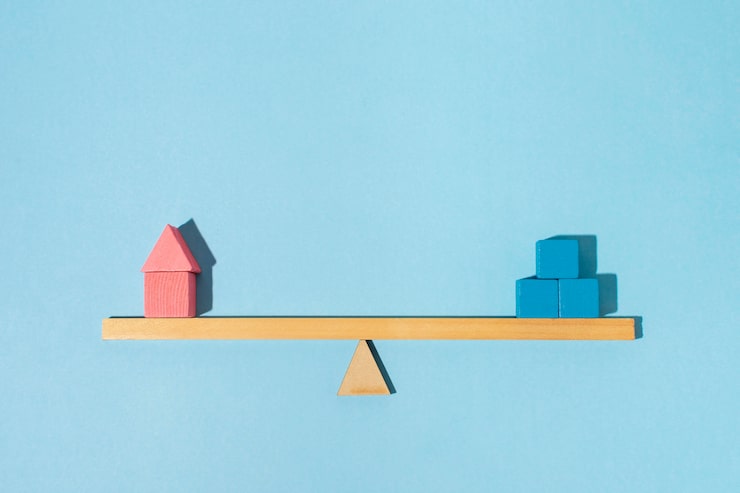
The answer lies in the gray area. If you aren’t sleeping enough, scale back the training’s volume, intensity, or frequency. If sleep is especially tight, you may need to reduce two of those three factors to keep progress while you work on getting more rest.
Even with proper nutrition, you won’t move forward if sleep is insufficient.
THE IMPORTANCE OF SLEEP
We know Americans often don’t get enough sleep. A Gallup poll from a few years back showed that about 40% of Americans sleep less than seven hours per night.
Busy lives, work schedules, and kids contribute, but two underrated factors may be:
– late-night streaming that rolls from one episode to the next
– the intense graphics and online gameplay of popular video games
Regardless of the cause, this sleep debt can derail gym performance, especially with frequent, intense training.
Lack of sleep drains energy for lifts and can disrupt hormones by lowering testosterone and raising cortisol—an especially tough combo when trying to gain strength, muscle, or lose fat, and it can affect sexual health for men over 35.
On the flip side, better sleep makes optimal gym performance more likely.
HOW DO WE SLEEP FOR MORE MUSCLE?
A general guideline is 7–9 hours per night to recover and support lifting efforts.
But life happens. You may be in a period where sleep is hard to come by (a new baby, starting a business), and that doesn’t mean you should abandon training. It just means you should ease up a bit to avoid wasting time or risking injury.
If you want a more restful night, try these practical tips:
1) Go to bed earlier
This is simple and effective. It might not be glamorous, but it yields real results.
2) Put down screens an hour or two before bed
This includes TVs, phones, laptops, and video games. The blue light keeps you alert and disrupts your natural rhythm. Dim the lights and read a real book or magazine instead.
3) Avoid caffeine in the afternoon
Caffeine can stay in your system for up to six hours, so skip the late-afternoon cup.
Watch out for hidden caffeine in chocolate, soda, and some decaf drinks.
4) Avoid alcohol
A glass of wine might help you unwind, but it tends to disrupt the deeper stages of sleep that matter most for recovery. Use alcohol sparingly if at all.
5) Your bed is for sleep (and quiet)
Pets waking you up disrupts your sleep. If possible, train them to sleep in their own bed.
ABOUT THE AUTHOR
Tim is an exercise science graduate and CSCS with more than 14 years of coaching in Baltimore, MD. While his focus is body composition, he has broad experience with clients from young athletes to cardiac rehabilitation patients. Tim combines practical coaching with research and real-world experience to help clients reach the next level. He shares insights on Instagram and his blog when he isn’t helping clients in person.
You can find Tim on Instagram or his blog.
