
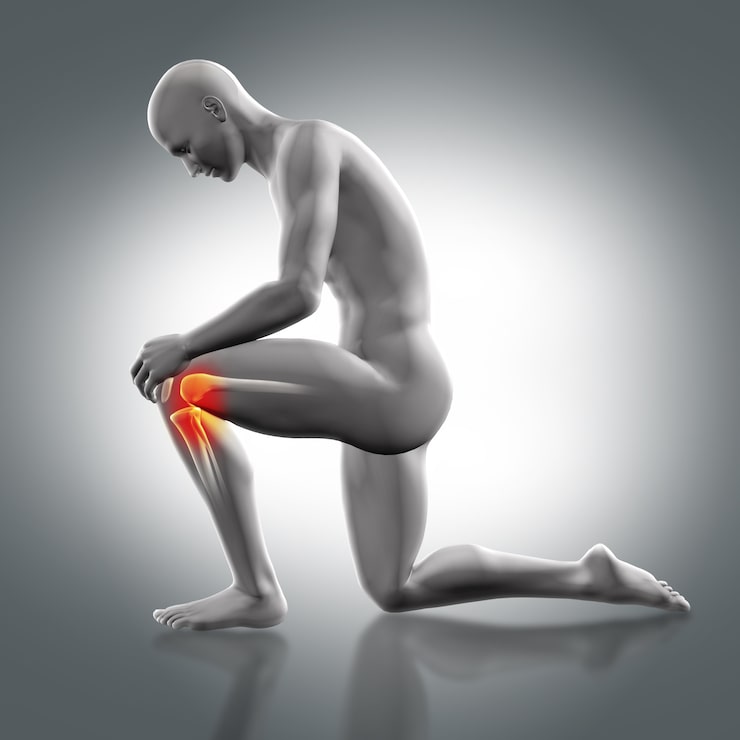
Knee pain when squatting
Squats are a staple in many fitness routines, but sore hips or knees can be frustrating. Here are four solid exercise variations to help take pressure off your knee joints. They’re suitable for all levels, whether you’re building strength or recovering from an injury. Let’s get started.
The goods
Box squats
For knee pain when squatting, box squats can help. They strengthen the quads, glutes, and hamstrings and can improve your squat technique. Use a box or bench at knee height behind you. Stand with your feet shoulder-width apart, push your hips back, and lower until your bottom touches the box. Pause briefly, then stand back up.
Step-ups
Step-ups are another great option for knee pain. They work the quads, hamstrings, and glutes and help build lower body strength. Place your right foot on a box or bench, press off with that foot to lift your body until your leg is straight, pause, then lower back down. Keep your hips level. Start with a smaller step and increase height as you tolerate it.
Hip thrusts
Hip thrusts strengthen the glutes and can relieve knee pressure during squats. Sit on the ground with your back against a box or bench, feet flat on the floor, and lift your hips until your thighs and torso align. Pause, then lower back down. Progress by adding weight at the hips, such as a barbell or plates.
Banded crab walks
Banded crab walks help build stronger glutes and legs and can improve squatting technique by encouraging you to push your knees outward over your toes. Place a resistance band around your feet (or around your knees/ankles for more challenge). Step one leg out to the side as far as the band allows, keep the hips level and shoulders over the hips, then bring the other leg in. Repeat.
Causes of knee pain
Understanding common causes helps you address the root issue.
Improper form
There isn’t a single perfect technique, but using solid form helps engage the right muscles and reduces injury risk. Poor squat form can place more load on the knee joints. Your ideal stance depends on your joint alignment and anatomy.
Overuse
Tissues have a maximum capacity. You want enough stimulus for adaptation, but not so much that you injure yourself. Include rest or deload weeks to recover, and vary movements to reduce repetitive overload. Mixing different squat styles (back squats, front squats, goblet squats, etc.) provides a varied stimulus and lowers injury risk.
Bad shoes
Wearing shoes that don’t provide stability during squats can put extra strain on the knees. Choose footwear that gives you a solid lifting base.
Health conditions related to knee pain
Knee pain can indicate different structures involved. Common conditions include:
Patellofemoral pain syndrome (PFPS)
Pain at the front of the knee around the kneecap, common in people who squat. Pain may occur when climbing stairs, squatting, or sitting for long periods.
IT-band syndrome (ITBS)
Pain on the outer knee due to tension in the iliotibial band. ITBS is more common in runners, but lifters can experience it too.
Patellar tendinopathy
Tendon inflammation just below the kneecap, often from explosive movements like box jumps or fast tempo squats.
Arthritis
Inflammation of the joints. The two main types affecting the knee are osteoarthritis (cartilage wear) and rheumatoid arthritis (autoimmune). Symptoms include pain, swelling, and stiffness. Load management—keeping surrounding muscles strong while avoiding excessive joint irritation—helps.
How to prevent knee pain when squatting
In addition to the exercise variations, try these steps:
Warm up properly
A good warm-up increases heart rate, loosens muscles, and makes tissues more flexible. A 5–10 minute light jog or bike ride followed by dynamic stretches works well.
Use the correct weight
Avoid lifting too heavy too soon. Use progressive overload, starting light and gradually increasing the weight as your strength improves.
Blood flow restriction training
BFR training can help you build strength with lighter loads. Using a BFR band reduces venous return, making muscles work harder, which can be beneficial if knee pain limits heavy squats.
Use a smaller range of motion
If pain persists, squat to a shallower depth to reduce knee load while you continue training.
Listen to your body
If knee pain continues, stop the exercise and rest for a few days. If it persists, consult a doctor or physical therapist.
Wrap up
If you experience knee pain when squatting, try one of these variations and see how it feels. Start light and progress gradually. Have fun with your training, but prioritize safe, effective technique. Give these options a try and share how they work for you.
About the author
Dane Ford is the founder of Lift Physiotherapy and Performance in Sydney, Australia. Lift Physio aims to help you overcome injury, optimize your health, and unlock your full movement potential.
