
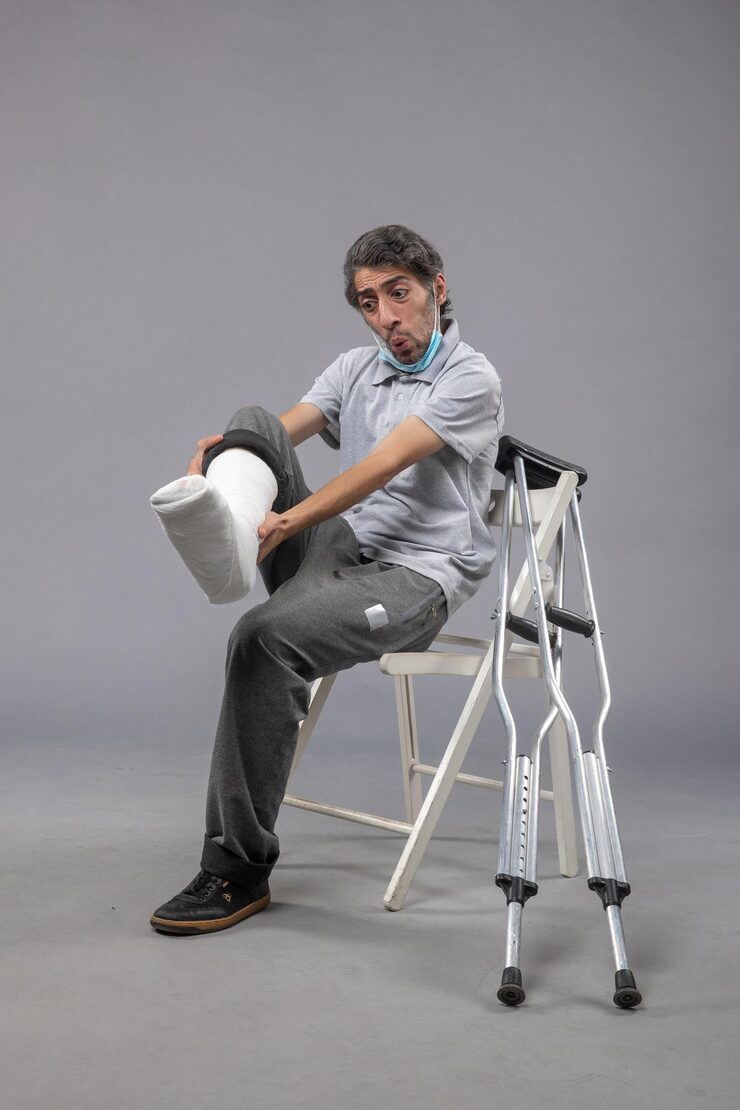
Injuries happen. Here’s how to deal with them.
Ever played Whack-A-Mole? Those cheerful, annoying critters pop up faster than you can smack them down. I enjoy knocking them back, but nagging gym injuries can feel the same way: one heals and another pops up, turning training into a cycle of rest, rehab, and working around the current issue.
Since I started taking training seriously, I’ve rehabbed and trained around several injuries (some my own fault), including:
– Torn quadriceps three times
– Strained hamstrings
– Knee and ankle tendonitis
– Sprained triceps tendon
– Tennis elbow and golfer’s elbow
– Right acromioclavicular joint inflammation
– Three herniated discs and several back spasms
Before you roll your eyes and tell me to suck it up, there’s a point here. Yes, injuries happen, but how you respond matters. I’ve learned this the hard way.
So next time you face a setback, whether it was your fault or not, try one or all of these strategies to get back on your feet sooner after the injury hits.
1. Lean on your network
With social media, it’s easy to connect with health and fitness professionals around the world. Personal trainers and strength coaches are generally friendly and willing to help. When you reach out, keep your questions concise to avoid confusion and wasting their time. Short messages are better than long ones that imply your time is more valuable than theirs.
While diagnosing online isn’t usually possible, they can offer suggestions based on their experience with similar injuries. If nothing else, they might point you to someone who can help. It never hurts to ask.
2. Gain perspective
On the way to another physical therapy appointment, I had a “woe is me” moment. My back was hurting, and I didn’t see any light at the end of the tunnel.
Then I walked past two people heading to PT—one in a wheelchair, the other with a leg amputated below the knee, walking with a walker. I felt ridiculous.
When my therapist asked how I was feeling, I admitted I was having a rough day, but seeing those guys reminded me that others have it far worse. So I got back to work.
No matter how bad you feel, remember there are people who have it tougher. Stop complaining about being hurt and get back to rehab. Do the work.
3. Keep your eyes on the prize
While others hoist heavy weights, you may be in the corner with light dumbbells, a stability ball, and bands doing a movement to activate your serratus anterior. It’s boring, but rehab is long and tedious. After you finish, there’s little time for mindless cardio and curls.
There’s always a temptation to skip exercises to get to the fun stuff, or to drop the prescribed rehab work to join friends under the bar. That’s a mistake. It only leads to more pain later. Stay focused on your health and lifting ability. Every rep matters. Take a brief break from the iron if needed—the body will thank you in the long run.
4. Stay positive. It doesn’t last forever
Being hurt can drag you down, but you’re not getting weaker. Addressing imbalances and injuries often shows you’re actually getting stronger. Strengthening weaknesses while maintaining overall training helps you come back bigger and better.
Some athletes return from serious injuries bigger and stronger. There’s evidence that training the non-injured side can help healing through neural effects. It’s temporary. The alternative is not training at all, which isn’t helpful.
Wrap-up
No one enjoys being hurt, but it’s part of training. There’s light at the end of the tunnel. Keep your head up, stay positive, and stay on rehab. You’ll be back to lifting heavy before you know it.
