
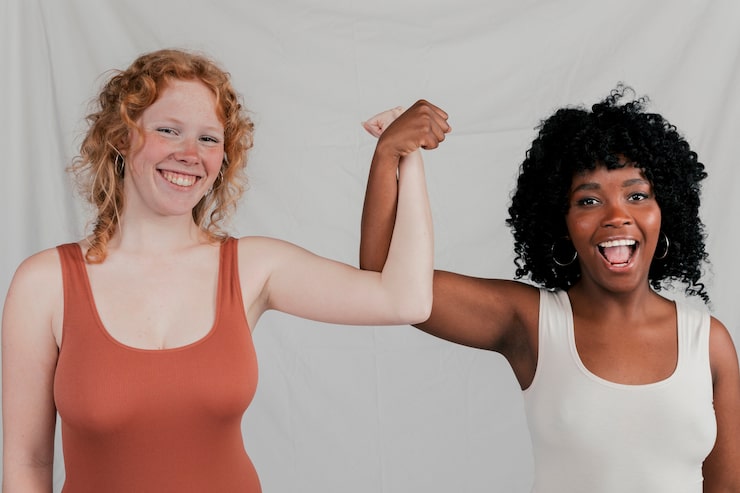
Today’s guest post by Erica Suter focuses on coaching young female athletes beyond the basics of technique and the mechanics of jumping and landing. It emphasizes that these athletes aren’t fragile and can train just as hard as their male peers, often with even greater growth and improvement. It also stresses the importance of coaches recognizing their own biases and choosing words carefully when working with girls.
The article centers on how coaching female athletes goes well beyond Xs and Os, tactics, and certifications. It highlights that while understanding anatomy and physical training matters, there are many layers—mental and emotional—that influence how girls respond to training. Here are the core ideas about physical training for the female athlete:
1) Menstrual cycle
Be mindful of how sleep quality and energy can shift with the cycle. A useful app is FitrWoman, which helps track the phase and indicate when an athlete might need extra recovery, nutrition adjustments, or supplementation. Training itself may stay the same, but you can optimize recovery during peak fatigue and hormonal fluctuations. Meditation and better sleep can support both physical recovery and mental clarity. The app lets athletes log symptoms to tailor recovery strategies, such as more sleep, different recovery methods, or extra calories when fatigue and focus dip. The menstrual cycle isn’t something to hide from; it’s a conversation that can help you better support your athletes.
2) Girls grow too
Growth spurts can start as early as age 10, and during this time young female athletes can learn movement patterns and begin strength training under professional supervision. Such programs have been shown to improve muscular fitness, boost performance, and reduce injury risk. Expose athletes to a variety of movements to develop basic motor skills—balance, coordination, and stability—and to stimulate brain development through diverse tasks. For soccer players in particular, building upper-body strength supports overall movement and protects the knees. Growing pains are real, so the full muscular system should be developed during growth.
3) Growth spurts continued
Rapid height gain can disrupt coordination and performance. Be patient when this happens and avoid high-impact or technically demanding drills that could overwhelm a growing body. Focus on technique and quality reps first, and add speed work as coordination limits improve.
4) Growth spurts and body image
After the peak growth, weight gain and higher fat mass can affect speed and performance. Research suggests a greater emphasis on neuromuscular training—movement patterns, balance, mobility, and stability—during this period can help. Be patient, focus on controllables, and use empowering language that emphasizes performance and growth rather than body image. Reinforce that girls are just as competitive as boys, and stress speed, direction changes, and explosive power. Encourage them to pursue progress and performance.
5) Girls won’t break
Generally, girls benefit from the same strength and conditioning plans as boys. While you should tailor programs to individual physiology and assessments, don’t treat female athletes as fragile. They can lift, sprint, jump, push-ups, and pull-ups just like their male peers.
6) Focus on what you can control
Rather than pointing out that wider hips mean higher ACL risk, guide athletes toward what they can influence. Emphasize core stability for handling high forces, braking and deceleration for sharp changes of direction, strong hamstrings and glutes for speed, and hip power through appropriate lifts. Build a program that emphasizes what is within the athlete’s control to reduce injury risk and improve performance.
Let’s talk about emotions
Beyond the physical work, coaching is a human endeavor. Strength and conditioning should be about more than drills and sets; it’s about reliability, care, and the relationships you build with your athletes. If you’re a team coach, you don’t need a fancy certification to do right by your players—you need a genuine commitment to injury prevention, health, and support for their wellbeing. The goal is to help these athletes stay healthy so they can enjoy long, active lives in sport and beyond.
Whom are you serving when you coach female athletes? Do you know their school performance, other talents, sleep habits, stress levels, or family life? This information matters because stress, sleep quality, hormonal changes, and life events influence how they show up for practice and games. Are you helping them uncover their strengths and believe in themselves? Are you providing a supportive environment that makes room for them to express concerns and needs?
Coaching is about soft skills as much as it is about technique: active listening, empathy, relationship-building, respect, trust, encouragement, and personal growth. It’s a privilege to guide the next generation of girls toward confidence and resilience through movement. As a coach, your actions should reflect the standards you want to see in your athletes.
Self-reflection is essential
It’s important to examine how you show up when no one is watching. Are you listening well, avoiding unsolicited advice when a player is upset, and treating colleagues with respect? Are you lifting others up or resenting their success? If you want to help your athletes grow into strong, empowered women, you must model that behavior every day.
Coaching female athletes is a long-term responsibility, not a quick win. The memories and lessons from training—tough yet fair drills, moments of teamwork, and demonstrations of grit—shape who they become. They need a human-centered approach that emphasizes character, resilience, and health as much as outcomes on the field.
Your end goal as a coach should go beyond trophies. It’s about the lasting impact you have—the confidence you help nurture, the discipline you instill, and the joy you inspire for movement and lifelong health.
In summary, lead with humility, stay curious, and continuously improve your craft. Leave ego at the door. Building strong women starts with you.
