
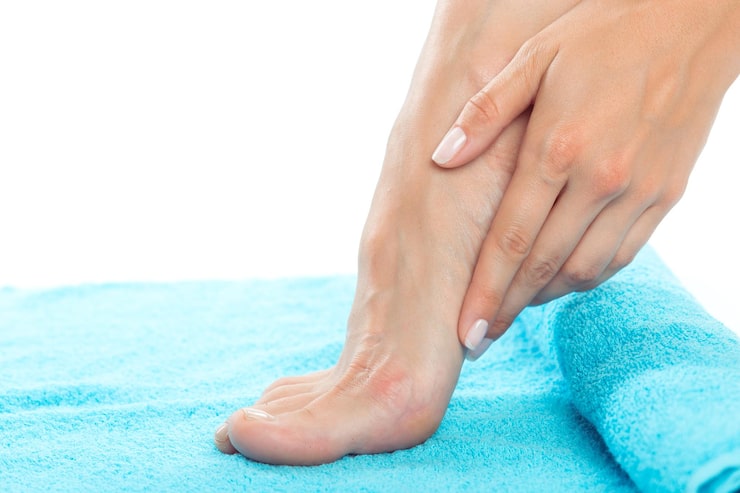
The Big Toe and the Squat
There’s a lot that goes into a squat—movements, positions, hand and foot placement, bar position. One part people overlook is the big toe, and it matters more than you might think.
This all started when a new client told me his squat has always bothered his lower back. He’d worked with trainers who gave him stretches, breathing drills, and a flood of corrections, but nothing stuck. I didn’t reach for gadgets or dramatic fixes. I did something simple: I watched him squat.
Watching someone squat is boring to some, but I think it’s revelatory. He took off his shoes and pants, and I watched his feet. Every rep, his toes came up off the floor. I didn’t cue him to lift his toes; he’d simply never been coached on how to squat correctly.
When the toes lift, the core loses canister position—ribs and pelvis aren’t stacked, and the core can’t stay tight. It also tends to crank the lower back. So the big toe off the ground can be a big culprit behind back pain in the squat.
Key takeaways for quick reading:
– When the toes come up, you lose your canister position and core stability.
– Toe lift can drive the lower back into extension.
– Focus on foot pressure: press through the big toe, the ball of the foot, the small toe, and the heel to distribute weight evenly.
– Try to keep the toes pressed into the floor.
Take off the shoes for a squat assessment and you’ll learn a lot.
Coaches cue toe position differently. Mark Cheng and Cal Dietz, for example, often teach the big toe stays up on the way down while the ball stays on the floor, then you press the toe down on the way up. It works for many athletes, and I’m not saying they’re wrong. But with all the other cues in a squat—breathing, ribs down, sit back, stay tall, drive the chest into the bar, hips through, don’t panic—it can feel crowded to add “toes up on the descent, toes down on the ascent.”
I prefer cueing foot pressure with three points of contact and keeping the toes down. Drew Watts, a Lexington-based coach, puts it this way: “don’t dig with the tip of the toe; press through the pad of the toe—the big toe, ball of the foot, fifth metatarsal, and heel.” That helps the windlass mechanism engage.
Jess Voyer, a strength coach from Essex, Vermont, demonstrates the idea well (she even referred to me as a genius in an IG post).
All this to say: don’t be shy about taking shoes off during a squat. Watching what the toes do can tell you a lot. Keeping the toes down tends to keep the core on and the squat cleaner.
I’m not against other methods—mobility work, positional breathing, or stretching can have a place when used for the right person at the right time. We’re still cool, right? Maybe the person you’re coaching deserves dinner first.
