
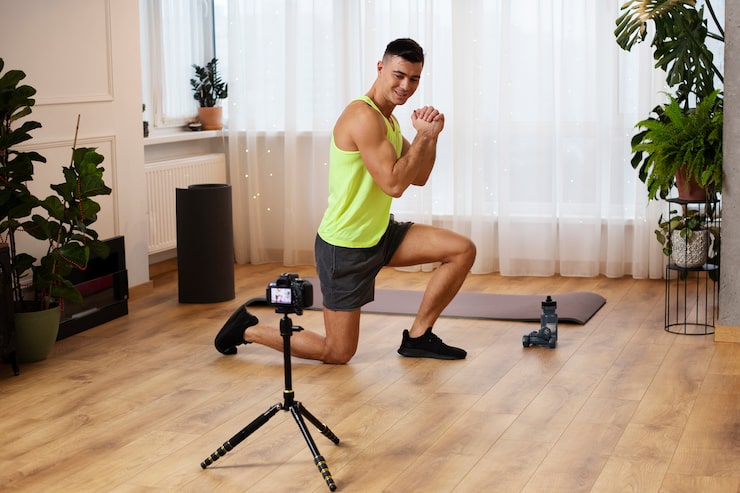
Front squats are like kittens. You could use more of them in your training. This isn’t a rant against back squats or a bid to get banned by the IPF. I like back squats. They’re great. I still coach my clients to back squat and I do them myself, even though the video below shows me using a Safety Squat Bar. This is a back-squat safe space.
That said, you should be doing more front squats.
I used to hate front squats, almost as much as I disliked Jillian Michaels’ kettlebell swing tutorials. On a scale of 1 to 10, front squats felt like an 8 for me—unpleasant, not painful, just draining. Then I hit a realization: after turning 40, back squats weren’t feeling as great. My hips and lower back didn’t tolerate the constant loading as well, and recovery took longer. I wondered if my lack of quad strength was holding back my deadlifts. After hearing Chad Wesley Smith sing their praises for addressing this issue, I decided to give front squats a stronger push. I stopped shrinking away from them.
And wouldn’t you know it? I started getting better at them. They started to suck a little less. And some good things happened:
1) I hit a 300-pound front squat.
2) A few months later, I finally hit a 600-pound deadlift.
But, Tony, why should I front squat? It’s not all about you. We’re on the same team here. If you’ve had a rocky time with back squats or you coach someone who has, that’s normal. Back squats aren’t bad, and front squats aren’t a magic cure-all. In fact, they’re more similar than different. Both require a lot of strength and stability in the hips and core, and both need good hip flexion, knee extension, and ankle dorsiflexion. For most people, most of the time, front squats are a strong option and often a better fit for many goals and lifestyles. Unless you’re chasing extreme competitive totals in powerlifting, you don’t have to back squat.
Evidence-based readers might point to a study by Gullet and colleagues that compared back and front squats at similar percentages of 1RM. They found that EMG activity of the quadriceps, hamstrings, and lower back was pretty similar between the two variations. Since people can usually back-squat more than they can front-squat, 70% of back squat is heavier than 70% of front squat in that study. Still, as Dr. Mitch Babcock noted, for people with knee or spine issues, front squats can yield the same muscle activation with less load.
There’s also the point that front squats often let you squat deeper. A deep squat isn’t automatically better, but the front position and the more upright torso frequently let many people reach greater depth. Deeper depth means more glute engagement, which is a win for many lifters, especially women who’ve focused a lot on hip-dominant movements in recent years. But there’s a trend of over-relying on hip thrusts and other glute exercises instead of building overall strength with traditional squats. Front squats can help with that balance, while still building serious leg strength.
Front squats also tend to improve posture. They encourage a more upright torso and better thoracic extension, which can translate into better posture overall. If you lose that thoracic extension and let the bar roll off your shoulders, you’ll learn quickly to keep your chest up and your upper back activated.
In short, both squats have their place. The literature doesn’t support the idea that one is always better than the other, and most people don’t need to lock into back squats exclusively. For many lifters, front squats offer a strong blend of performance benefits, healthier loading, and practical carryover to everyday movement. They’re a valuable tool to have in your training arsenal, and they can help you build strength, depth, and better posture.
