
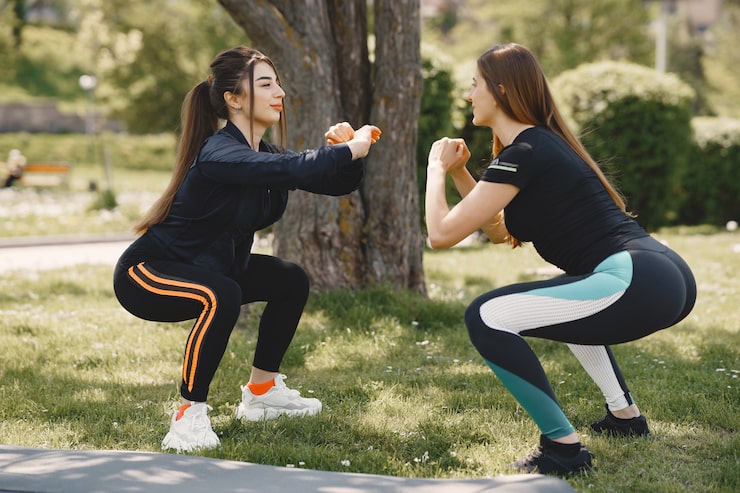
Make the back squat feel and look better
The squat has long attracted attention from fitness and medical professionals. Even as civilization changes, the basics stay the same. This article aims to help you make your squat look and feel better, improve performance, simplify the technique, and build the confidence to perform this foundational movement safely.
Should you squat?
Yes. Some people say to avoid squatting, but that view comes from outdated ideas in some corners of the medical field. The squat and the hip hinge are foundational to most movements, inside and outside the gym. Whether you’re chasing a personal best or simply sitting down, you should use proper technique. Poor squatting has caused injuries in daily life and in the gym. So train it, don’t avoid it.
The squat and hip hinge require control of the deep abdominal muscles, hips, pelvis, and spine. Teaching proper bracing, pelvic position, and lifting mechanics is crucial for knee, hip, and low back health. While not everyone agrees squatting is necessary, done correctly they’re very much the same movement. People of all ages—athletes, those recovering from injuries, those aiming to prevent injuries, and the elderly—can benefit from learning to squat well. We all squat many times each day, so we should train it, strengthen it, and perfect it.
How to squat
This isn’t a step-by-step guide, but here are key points to keep in mind. There is a lot of information out there about thoracic spine, knees, ankles, spinal position, foot placement, and more. It can be confusing. A proper squat and hip hinge starts with the hips and a neutral spine. After a slow breath in, keep tension throughout the body. The spine, including the neck, mid back, and lower back, should stay relatively stable and neutral. The feet should stay planted on the floor with the weight evenly distributed.
Early in my lifting, I struggled to find the groove, partly because of misleading cues from magazines and big gym personalities. Some common cues can be misleading:
– “Arch the back hard to avoid spinal flexion” — avoid a hard arch. Maintain the natural curve of the lower back.
– “Keep the head and chest up” — avoid hyperextending the back or flaring the ribs forward. A slight posterior pelvic tilt before unracking helps keep the spine and ribcage neutral.
– “Sit back and push through the heels” — don’t shift so far back that the toes lose contact with the floor. Focus on descending slightly backward between the hips and keep three points of contact with the floor: base of the big toe, base of the little toe, and heel. This “active foot” position helps stabilize the hips and knees.
Find your squat
We’re all built differently, so there isn’t one perfect squat for everyone. Variations in foot position, stance width, and depth will be affected by torso length, femur length, and hip structure. Going too far with hip flexion or lumbar flexion at the bottom can cause compensations up and down the chain, including the dreaded butt wink. Pushing for too deep a squat can lead to injury and an uncomfortable pattern. Choose the squat variation that fits your goals—strength, hypertrophy, or daily function. The conventional barbell back squat is just one option; goblet squats, sumo squats, front squats, or dumbbell/kettlebell variations can also work well if used correctly. In short, find the pattern that suits your body.
There are many good resources on finding your best squat pattern from experts like Dean Somerset, Ryan DeBell, Stuart McGill, Quinn Henoch, and others.
Neutral spine — does it exist?
Neutral spine is more of a range than a fixed position. Some lumbar flexion at the bottom of the squat is natural. Don’t worry about a little spinal movement, but try to minimize unnecessary movement of the spine and pelvis. A moving base reduces stability and power, so aim for solid, controlled positioning.
Don’t stop squatting because you have pain or feel restricted
If you experience pain during a squat, see a qualified healthcare professional. They should assess the pattern, ask when in the range the pain occurs, review weekly volume and load, and consider recovery and sleep. They should help you modify the squat to keep training this essential movement. There are ways to adjust for injury. For example, a goblet squat with a neutral spine, a knee band during warm-ups, or a box squat just above the painful range can help. The goal is to avoid stopping squats for weeks and relying only on medication. Address the root cause and mechanics first.
What can we do to improve how the squat looks and feels?
This varies by person. Seek guidance from a qualified professional who can assess and guide you. Warm-ups should be active, specific, and purposeful, preparing you for the day’s movements. Avoid long, passive routines before working out. Move toward dynamic movements, light cardio, loaded eccentrics, and practicing squats with the bar or bodyweight. Foam rolling has its place, but its effects are short-lived; use it between warm-up sets as needed, tailored to your body. A well-structured warm-up, including mobility work and activation, can make a big difference in performance. There are many solid mobility and warm-up resources you can explore to tailor your own routine.
That’s the idea—find what works for you, stay patient, and keep squatting with good form. Knees over the toes is okay.
If you’re interested in this topic, there are many strong resources from leading experts in the field.
